
Zalakaros: Thermal History, Hills and Regional Destinations
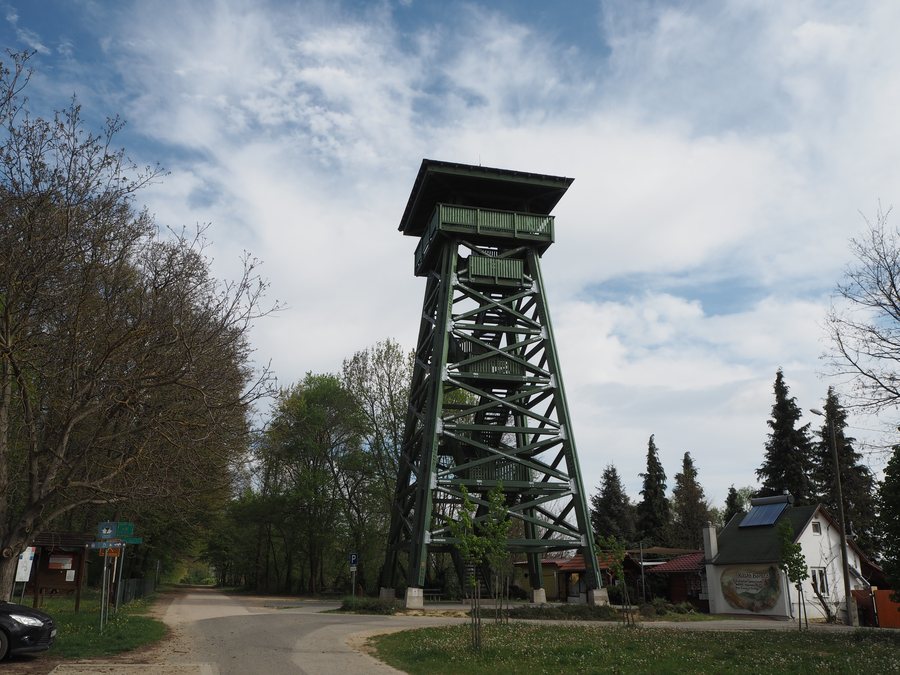 File:RP-DDK pecsételőhely Zalakaros 02.jpg
Thermal Baths and Location
Thermal bathing is Zalakaros's defining visitor experience. Zalakaros is a spa-oriented town in Zala County, Hungary, located in the southeast of the county between Keszthely and Nagykanizsa. The town is also associated with wellness weekends and family holidays. The location between Keszthely and Nagykanizsa provides two fixed reference points for regional orientation. Those who wish to combine thermal bathing with local history will find two points of reference in Zalakaros from different periods. Thermal bathing defines Zalakaros; the hills are in the nearby surroundings, while the regional destinations lie in the wider region.
The Historical Origins of the Thermal Tradition
During oil drilling in 1967, a thermal spring with a temperature of almost 96°C was discovered. Zalakaros's renown followed this discovery. The thermal tradition therefore has a specific starting point in the town's more recent history. Its origins are linked to the oil drilling, not to the older church building. For travel planning, the discovery of the spring can be viewed as a separate historical period alongside the older local history.
History of Zalakaros
The history of Zalakaros can be traced back to 1254. The church of Zalakaros was built in 1430. The church belongs to the town's older history, while the thermal spring represents a later historical focal point. For those interested in culture, the church serves as a specific historical reference point alongside the spring. The church and the spring highlight different historical aspects in the same town.
Hills in the Nearby Surroundings
Aligvári-hegy, Győr-hegy, Forgás-hegy and Felső Hegy are located in the nearby surroundings of Zalakaros. The four hills form a distinct landscape reference alongside the thermal baths and are situated in a more confined area than the more broadly defined regional destinations. Those interested in the landscape can therefore consider the hill area as a separate planning point alongside the thermal theme. The landscape reference remains tied to specific hills in the town's nearby surroundings. When planning a day, the nearby hill area remains distinguishable from the wider region.
Check prices, availability and amenities for your travel dates directly on Booking.com.
View Accommodations and OffersAdvertisement · Affiliate link to Booking.comFurther Destinations in the Region
The wider region around Zalakaros includes Csillagvár, Katolikus templom, Evangélikus Templom and Gyöngyösi Csárda. Their spatial relationship is broader than that of the four hills in the nearby surroundings. When planning a day, these destinations can therefore be considered as a separate regional framework alongside the closer landscape area. For visitors interested in regional destinations, this distinction remains visible when planning a day.
Zobori Élménypark in Zalaszabar
The wider range of visitor attractions associated with Zalakaros includes Zobori Élménypark in nearby Zalaszabar. It is part of regional cooperation among providers and is not an attraction within Zalakaros. Zalaszabar therefore remains a separate locality in the vicinity of Zalakaros. When planning an excursion geographically, Zalakaros and Zalaszabar stand side by side as separate local reference points. This distinction keeps the destination in Zalaszabar separate from the area of Zalakaros.
More Locality Pages
More destinations: Balatonmagyaród, Garabonc and Nagyrada.
More About the Destination
Useful information for planning your trip:
Photo: Pongi57 via Wikimedia Commons, CC BY-SA 4.0


