
Veszprém between the Séd, the Viaduct and the Castle District
Accommodation in Veszprém
Veszprém on the Séd and near Lake Balaton
The Séd is a 70-kilometre-long stream in the Transdanubia region and flows through Veszprém. The city is the seat of a county in Hungary’s Transdanubia region and is located in the southern part of the Bakony. Lake Balaton is 11 kilometres as the crow flies from Veszprém. This gives Veszprém both a location on the stream and a connection to a significant landscape in the region and the nearby lake region.
Bridges over the Séd
In Veszprém, twelve road bridges and one railway bridge cross the Séd. The best known is the Szent István völgyhíd, which is also called the Viaduct. Both names refer to the same structure and identify a single landmark along the course of the stream. Those exploring the cityscape along the Séd encounter a combination of waterway, transport structures and regional urban history here.
Mills and the history of the Séd Valley
The Séd Valley is also associated with a history of mills. In 1876, fifteen mills were in operation along the section of the stream in Veszprém. Several mill buildings have survived. In addition to the bridges, the former mill industry is therefore one of the specific subjects associated with the Séd. The preserved buildings point to the use of the stream in the city’s history, while the present-day course of the stream makes the geographical connection visible.
City history and the Castle District
Veszprém is regarded as a university city and is associated with the historic title “City of Queens”. The city’s history also includes a long Christian and ecclesiastical past. Veszprém is considered one of the earliest places in Hungary with a stone castle and was Hungary’s first episcopal see in 1009. These subjects lead from the historic city title through the ecclesiastical past to the site’s early political and religious significance.
Várhegy and the castle areas
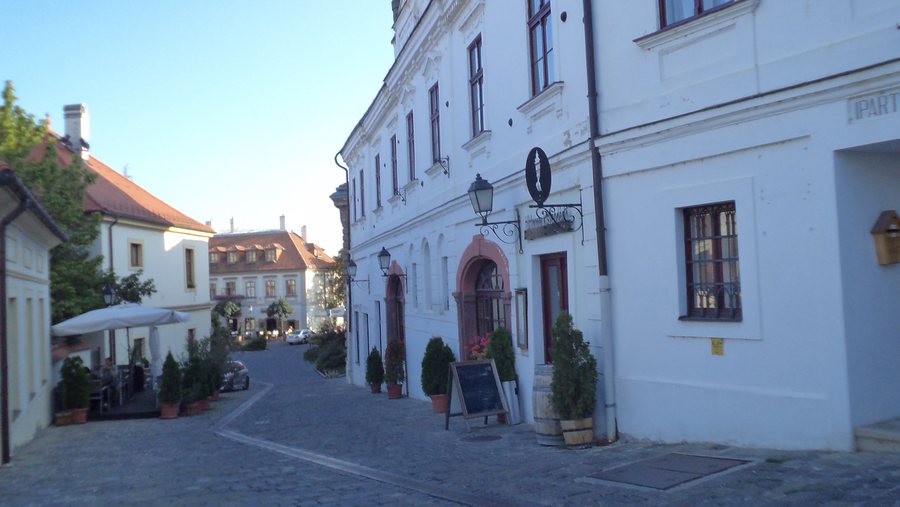
Veszprém Castle was built on Várhegy in the 10th and 11th centuries. It originally consisted of an outer and an inner castle area. The Castle District is considered suitable for a historical walk and includes exhibitions, including a prison exhibition. The exhibitions complement the architectural history with further historical subjects and broaden the view of the former use of this Castle District and its spaces. Thus, architectural history, the layout of the former castle complex and specific exhibition subjects are located together in a connected urban area on Várhegy.
Places in the wider area
The area surrounding Veszprém includes Esegvár, Kis-Papod, Papod, Mög-szeg and Ámos. Count Cseszneky Castle is located in the wider regional area of Veszprém. The places and castle mentioned extend the view beyond the Séd, Várhegy and the inner-city Castle District, without losing the connection to the city as the starting point for regional orientation.
The shared destination area also includes Barnag, Nemesvámos and Tótvázsony.

