
Kehidakustány: Thermal Baths and Deák History
Accommodation in Kehidakustány
Thermal baths and Deák history give Kehidakustány two distinct reasons to visit. The Kehida Termál Erlebnis- und Heilbad offers an extensive range of water attractions, while the life story of Deák Ferenc and other local cultural connections offer a different perspective. This makes it easier to decide whether bathing is your main priority or whether historical and cultural themes should also shape your travel plans.
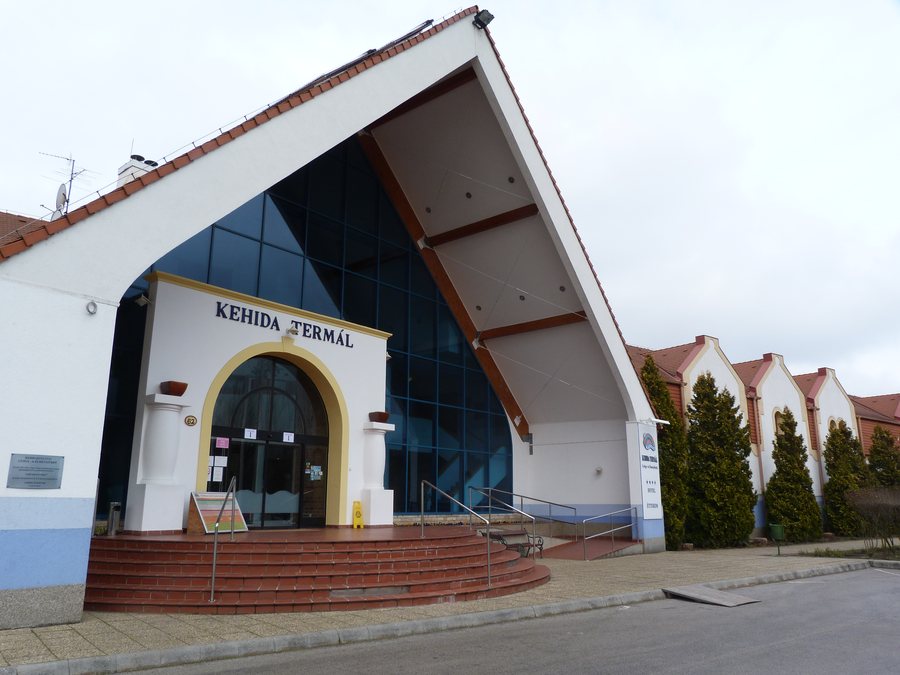
Thermal baths as a main attraction
The Kehida Termál Erlebnis- und Heilbad has 2,400 m² of water surface and 12 pools. There is also a 94-metre-long giant waterslide. The water surface area, number of pools and slide length provide three specific points of reference for gauging the scale and individual features of the bathing facilities. If you are choosing Kehidakustány primarily for a bathing break, you can weigh these details against the local cultural program. Operational details may change, so check the baths’ current information before your visit.
Deák Ferenc and local culture
The Kúria was built in the 1740s; Deák Ferenc lived there from 1808 to 1854. He was the Minister of Justice in Hungary’s first responsible government and a symbolic figure of the 1867 Compromise. The connection is therefore biographical and political: the Kúria is linked to his life story, while his office and role provide the historical context of the Compromise.
The Deák Ferenc Mansion is used as a museum and event venue. The Tájház has a working traditional oven with a smoke hood. Thus, local cultural connections include not only Deák’s life story but also the mansion’s use and a specific traditional feature.
There is a clear contrast when choosing the focus of your stay: the thermal baths offer a clearly quantified reason to visit for bathing, while the Kúria, mansion and Tájház introduce other themes. If you do not want to base your stay solely on the bathing facilities, these cultural connections may also influence your choice of Kehidakustány as a destination.
Regional perspectives in the Zala destination
In the wider destination of Zala, the Zalai Borvidék is a regional landscape and wine-growing area. It developed on the slopes and plateaus of the Zalai-dombság and on the northwestern slopes of the Keszthelyi-hegység. The wine region comprises two wine-growing districts and 38 settlements. The named landscape areas and the division into districts and settlements show the regional scale of this theme.
The Kis-Balaton is also part of the Zala destination: it is Zala’s largest body of water, is strictly protected and covers 14,745 hectares. It is also the setting for István Fekete’s classic novels Tüskevár and Téli berek. Its protected status, size and literary connection give this regional landscape several distinct facets.
Another theme in the wider Zala destination is the Kápolnapuszta Bivalyrezervátum. You can explore it along a 1.5-kilometre walking trail with rest areas and viewpoints. During opening hours, visitors may pet the tame animals every day. The buffalo festival takes place there every year in May or June; the exact date may vary from year to year, so check the date for the year of your trip.
When choosing where to stay, you can distinguish between Kehidakustány’s thermal baths and local cultural connections on the one hand, and other regional themes in Zala on the other. The deciding factor is which of these focuses you would like to include in your travel plans.
Discover more destinations: Nagygörbő, Zalacsány, Zalaszentlászló.

