
Wine at Lake Balaton: choose wine villages and plan tastings
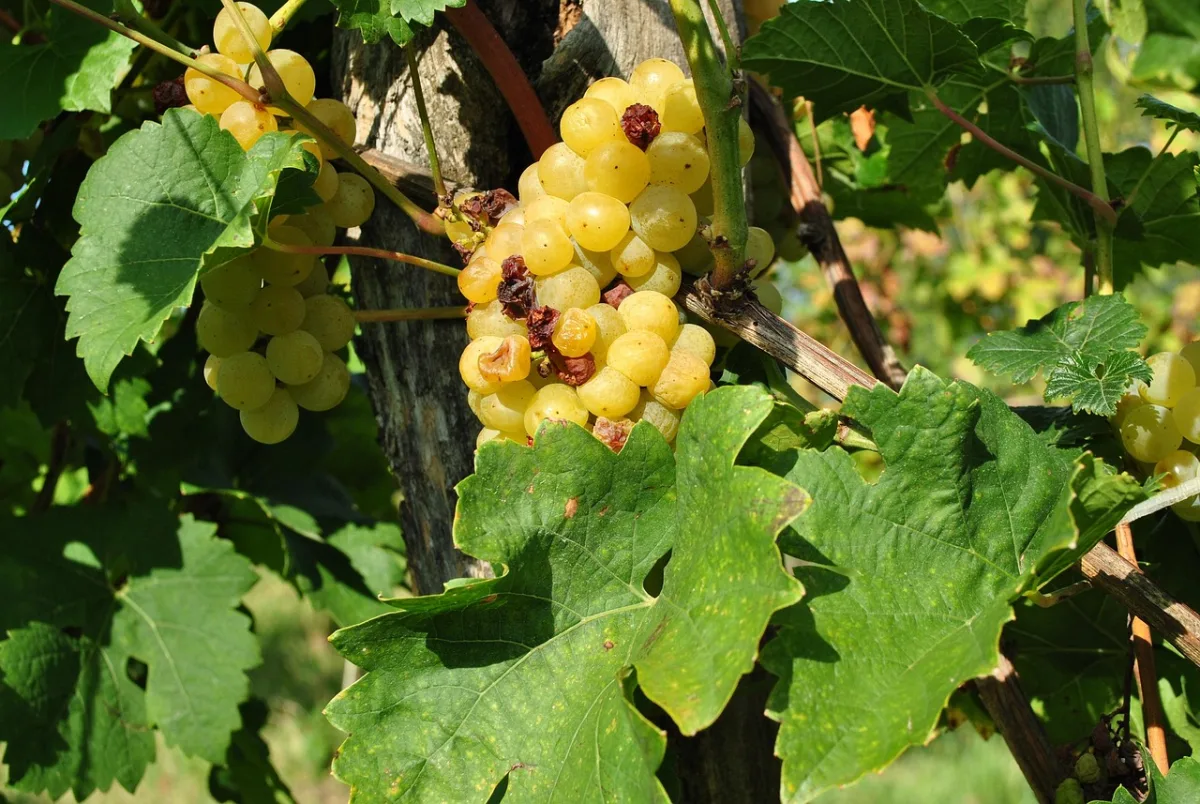 Wine production at Lake Balaton
Wine experiences around Lake Balaton are best enjoyed as a slow outing: choose one wine village, arrange a tasting in advance, and decide how you will get back before the first glass.
Quick facts
The north shore brings together wine villages, closeness to the lake, and different soils in a small area. Olaszrizling is especially common in Csopak and Balatonfüred. Badacsony also stands for volcanic slopes and Kéknyelű. Opening hours, tastings, and food offerings vary from producer to producer. If you are not staying within walking distance, plan for train, taxi, or a non-alcoholic return.
Choose a wine village by type of outing
Badacsony suits volcanic scenery, cellar visits, and viewpoints; accommodation in Badacsonytomaj shortens the way back. Csopak combines beach days with Olaszrizling, while Balatonfüred brings together promenade, harbour, and wine village. The wine holidays at Lake Balaton guide helps you choose between a fixed base and individual tastings.
Plan a tasting without rushing
One wine village is usually enough for an afternoon. Current programmes are checked directly with the winery; for a regional overview, see Balatoni Kör. To combine wine with a market visit or a meal, look at the guides to weekly markets and Hungarian cuisine. If you are not driving yourself, sort out local transport before booking.
Frequently asked questions
Which grape variety is typical at Lake Balaton?
Olaszrizling is very widespread on the north shore. In Badacsony, Kéknyelű is also well known, but style and availability depend on the individual winery.
Can you visit wine villages without a car?
That may be possible depending on the location. Before a tasting, check the exact connection, the walk from the station or stop, and the last return service.
How many wineries fit into one day?
For a relaxed tasting, one place with one or two confirmed appointments is usually enough.
Photo: Ag Dob on Pixabay
